You Already Own the Data That Can Beat the Big Brands — Here's How to Use It

The Cookie Crumbles — And That's Actually Good News for You
For years, big brands had an unfair advantage. They could afford to buy third-party data, build massive audience profiles, and retarget strangers across the entire internet with frightening precision. Small businesses? They mostly crossed their fingers and picked broad demographic buckets — women 25-44, homeowners in the Midwest, people who "like" small businesses on Facebook.
That era is ending. Google's long-delayed phase-out of third-party cookies is finally happening, privacy regulations like California's CPRA are tightening, and Apple's App Tracking Transparency has already gutted mobile data pools. The old playbook is getting shredded.
Here's the part nobody's telling small business owners loudly enough: this levels the playing field. Because the data that still works — first-party data — is the kind that doesn't require a corporate data-buying budget. It's the stuff you've been quietly accumulating for years. Your email list. Your customer purchase history. Your website behavior data. Your CRM contacts.
You already own a goldmine. You just haven't activated it yet.
What First-Party Data Actually Is (And Isn't)
Let's clear up some confusion before we get tactical. First-party data is any information collected directly from people who have interacted with your business — with their knowledge and, increasingly, their explicit consent. This includes:
- Email subscribers who opted into your list
- Past customers recorded in your CRM or point-of-sale system
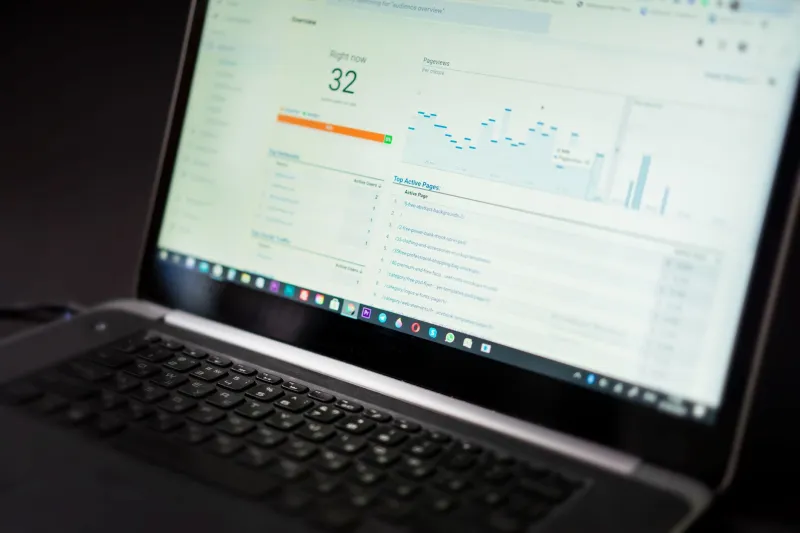
- Website visitors tracked through your own analytics (Google Analytics 4, for example)
- App users if you have a mobile presence
- Survey or quiz respondents who gave you preference data
- Loyalty program members
What it is not: data you purchased from a broker, scraped from a third-party platform, or inferred from cross-site tracking cookies you didn't set yourself. That's second- or third-party data, and its shelf life is shrinking fast.
The beauty of first-party data is that it's accurate, current, and permission-based. People who gave you their information already have some relationship with your brand. That relationship is worth a lot more than a cold demographic guess.
Step 1: Audit What You Already Have
Before you can activate your data, you need to know what you're working with. Most small business owners are sitting on more usable data than they realize — it's just scattered across disconnected tools.
Spend an hour doing a basic inventory:
- How many email contacts do you have, and how segmented are they? (Buyers vs. browsers vs. lapsed customers?)
- Does your CRM have purchase history, frequency, or lifetime value data attached to contacts?
- Is Google Analytics 4 installed on your website and properly tracking key events like product views, cart additions, and form submissions?
- Do you have a customer list you can export as a CSV?
This audit doesn't need to be fancy. A simple spreadsheet is fine. The goal is to understand the raw material you have before deciding how to use it.
Step 2: Segment Your Audience Into Meaningful Buckets
Raw data isn't targeting — segmented data is. Uploading your entire email list as one audience and calling it a day is the first-party data equivalent of broad demographic targeting. You can do better.
Here are three high-value segments that almost any US small business can build:
High-intent recent visitors: People who visited specific product or service pages on your site in the last 30 days but didn't convert. These are your warmest prospects. They know you exist, they showed interest, they just didn't pull the trigger yet.
Lapsed customers: People who bought from you 6-18 months ago but haven't returned. Win-back campaigns targeting this group typically outperform cold prospecting by a significant margin because the trust barrier is already cleared.
High-value customer lookalikes: Take your top 20% of customers by lifetime value, upload that list to Meta or Google, and let the platform's algorithm find people who share similar behavioral and demographic signals. This is where first-party data becomes a prospecting superpower.
Step 3: Activate Your Data on the Right Platforms
Once your segments are defined, here's how to deploy them across the major ad platforms:
Meta (Facebook/Instagram): Use Custom Audiences to upload customer lists directly. From there, build Lookalike Audiences based on your best customers. Meta's matching algorithm is still remarkably effective when fed quality first-party data, even with iOS tracking limitations.
Google Ads: Customer Match allows you to upload email lists and target those users across Search, YouTube, Gmail, and Display. For website behavior, make sure your GA4 audience lists are linked to your Google Ads account so you can retarget visitors who completed specific actions.
Email marketing as an ad channel: Don't overlook this. A well-segmented email campaign to 2,000 engaged subscribers will often outperform a $500 display campaign to cold audiences. Your list is a paid channel — it just doesn't feel like one.
Step 4: Collect More Data Intentionally
Here's where small businesses can start widening the gap over time. Every customer interaction is a data collection opportunity — if you design it that way.
A few low-lift tactics that work well:
- Lead magnets and quizzes: Offer a free resource, discount, or interactive quiz in exchange for an email and a few preference data points. A home goods retailer, for example, might ask "What's your decorating style?" and use the answers to segment future ad campaigns.
- Post-purchase surveys: A simple one-question email after a purchase ("What almost stopped you from buying?") generates qualitative insight and confirms the contact is an active customer.
- Progressive profiling: Instead of asking for everything upfront in a form, collect one additional piece of information each time a known contact interacts with your site.
Consistency matters more than volume here. A focused effort to collect 50 new, well-segmented contacts per month compounds dramatically over a year.
The Real Competitive Edge: Relationship Data
Here's the thing that gets lost in all the technical conversation about cookies and platform policies: first-party data isn't just about targeting precision. It's about relationship depth.
A national brand running a $10 million ad campaign knows you're a 34-year-old in Nashville who likes outdoor activities. Your local outdoor gear shop knows you bought trail runners last spring, asked about waterproofing spray, and opened every email about hiking content. Which business can send you a more relevant ad?
That's the equalizer. Big brands have budget. You have context. Use it.
Start Small, Start Now
You don't need a data science team or an enterprise CDP platform to get started. You need a clean email list, a basic segmentation strategy, and an afternoon to set up Custom Audiences on Meta or Customer Match on Google.
The businesses that win the next era of digital advertising won't necessarily be the ones with the biggest budgets. They'll be the ones who built genuine data relationships with their customers — and knew how to activate them smarter than everyone else.
That advantage is available to you right now. The data's already there. Go use it.